

POTS Management Program In Knoxville
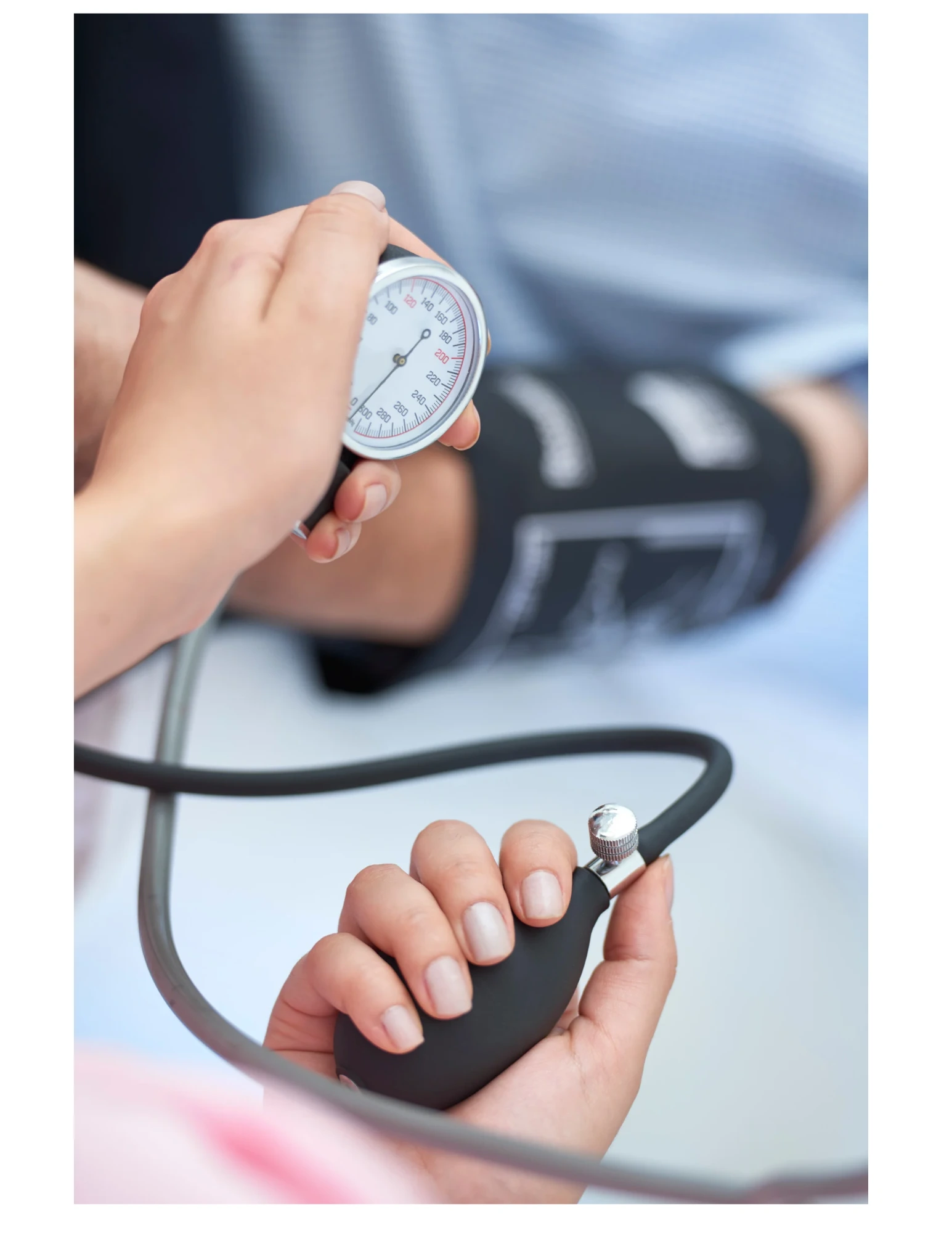
Dysautonomia is a dysfunction of the Autonomic Nervous System, the part of your nervous system responsible for everything that happens automatically, such as heart rate, blood pressure, digestion, temperature, and breathing.
Symptoms Of POTS
POTS can manifest as lightheadedness, fainting, and rapid heartbeat. Because of this dysfunction in the autonomic nervous system, people with POTS may have trouble staying active. Physical deconditioning can also cause symptoms to worsen. Fortunately, people with POTS can benefit greatly from targeted physical therapy and graded endurance training.
POTS also commonly co-occurs with other connective tissue conditions. If you or your provider suspect overlap with hypermobility, our Ehlers-Danlos Syndrome (EDS) program may be relevant to your care.
Our Program In Knoxville
We recognize that each person is an individual with different symptoms, responding to treatment differently. Using a team approach, we feel it is extremely important to meet you where you are. We listen to your journey, find out your biggest areas of challenge, and develop a program that works for you. In our sessions, we address the following pillars:
Movement/Exercise: Exercise training has been proven to expand blood volume and increase cardiac muscle mass and heart size, both of which are associated with improvement of POTS symptoms. Our therapists use a structured, progressive approach similar to our sports rehabilitation model, adapted for autonomic conditions.
Hydration and Nutrition: Increased fluid intake and a higher-sodium diet are critical areas of focus and can help decrease lightheadedness and dizziness. We also discuss general nutrition considerations and the possible use of supplements to support your autonomic health.
Lifestyle: We discuss various strategies, education, and emotional support to help you better manage your daily activities and routines.
Sleep: Poor sleep quality can be a significant contributing factor to worsening POTS symptoms. We explore sleep postures, bed positioning, and relaxation techniques to help you get better rest.
What To Expect From Physical Therapy In Knoxville?
For people with POTS, physical therapists use different levels of exercise depending on current function and tolerance.
Level 1 is best for those with severe limitations, including bedridden patients. Activities include gentle stretching, pillow squeezes between the legs and arms, toe writing, and side-lying or supine leg lifts.
Level 2 is appropriate for those who can tolerate light upright activity. Sessions are preceded by a 5-10 minute warm-up of yoga or stretching and include rowing, weight training, swimming, and recumbent biking. Consistency matters more than intensity at this stage.
Level 3 is introduced when patients can sustain 45 minutes of exercise up to three times per week. These sessions prioritize cardiovascular training and leg strength, using tools like the elliptical, treadmill, stair stepper, jump rope, and arm bike.
Throughout all levels, our team monitors balance and gait responses. Patients with significant instability during transitions may also benefit from our Balance and Gait Center, where we use specialized equipment to build stability safely.
Different Treatments Used At Marino Physiotherapy
The effectiveness of physical therapy for POTS is well-supported. Our therapists help you identify endurance and strengthening exercises that improve blood flow and reduce fatigue. Depending on your individual presentation, our team may also incorporate:
Manual Therapy. Joint mobilization and soft tissue work reduce pain, improve blood flow, and restore range of motion. These hands-on techniques are a core part of our orthopedic therapy approach and translate well to autonomic conditions.
Laser Therapy. Our laser therapy promotes circulation and tissue recovery, which can be beneficial when pain or inflammation is a contributing factor to your symptoms.
Functional Strengthening. Lower limb strength and endurance exercises reduce fatigue, heaviness, and poor circulation, all common POTS complaints.
Stretching Exercises. Targeted flexibility work increases blood flow, reduces inflammation, and supports overall mobility throughout your program.
For patients experiencing dizziness or lightheadedness during positional changes, our vestibular therapy services may be incorporated alongside your POTS program.
POTS Treatment in Knoxville FAQs
What is POTS, and how is it different from general dysautonomia? POTS (Postural Orthostatic Tachycardia Syndrome) is a form of dysautonomia where heart rate rises abnormally upon standing, leading to lightheadedness, fatigue, and exercise intolerance. It is a specific subset of dysautonomia, not a synonym for it.
Does physical therapy help POTS? Yes. Graded, symptom-aware exercise improves upright tolerance, circulation, and daily function. Our Knoxville team builds plans that progress from reclined to upright activities safely, at your pace.
What are the best exercises for POTS? Early on, recumbent options like the rowing machine, recumbent bike, swimming, and supine strength work are usually best. As tolerance improves, we add upright walking, light intervals, and functional strength training.
How do I start exercising with POTS without crashing? Begin with short, low-intensity sessions in reclined positions, increase time or intensity gradually, schedule rest days, and use pacing strategies. We adjust your plan based on symptoms rather than fixed targets.
Can physical therapy reduce dizziness when I stand? Yes. Targeted conditioning, breathwork, and positional cueing can improve transitions and reduce lightheadedness when moving upright. Patients with ongoing dizziness may also be referred to our vestibular therapy team.
Should I use salt, fluids, or compression for POTS? Many patients benefit from medical guidance on hydration, electrolytes, and compression garments. We coordinate with your Knoxville clinician so your PT plan aligns with your broader medical recommendations.
Is POTS related to other conditions like fibromyalgia or chronic pain? Some patients with POTS also experience overlapping conditions such as fibromyalgia or chronic pain. Our team takes a comprehensive view of your health history to ensure your program addresses the full picture.
How long before I notice improvement? Timelines vary, but consistent graded exercise often leads to noticeable improvements in tolerance over several weeks. We track progress using simple, functional measures you will feel in your daily life.
Call Us Today!
Our physical therapists can help you feel great again if you have POTS or any related symptoms. Call us today at (865) 236-0340 to get started!

Amy McGhee

Marino physiotherapy is a lifesaver! My daughter suffers from a vast array of medical conditions including POTS. We searched all over Knoxville for a therapy center that could help her manage her POTS with aquatic therapy. We choose Marino because they were the only center with a pool and knowledge about how to treat a patient with POTS and hyper mobility. My daughter has been attending therapy since the summer and the progress she has made is incredible! The amount of flare days has significantly decreased and her quality of life has greatly improved. Thanks to Alaina and the rest of the Marino Physiotherapy team! You all are helping to improve lives!!!

Jaleh Rogers
I have been treated by many physiotherapist past 30 years, this place and people are completely at much higher level of excellence .I had an incident last September and had many issue related to the knee, couldn’t get any relief until 3 weeks go that I started at Marino physiotherapy. I already feeling much improvement and able to walk without stopping every 15 minutes. Thank you so much to everyone you all are amazing and I feel lucky to be treated by you all.